
The Truth About Brain Fog: 5 Signals You Need A Break
Brain fog warning signs, brain fog symptoms, cognitive fatigue, memory problems, attention problems, mental clarity, and hidden brain fog signs explained in a cinematic psychology and neuroscience documentary from MindForge Library Official. You are in the middle of a sentence and suddenly a familiar word disappears. You reread the same paragraph. After hours at a screen, your eyes feel tired and refocusing feels slower. Later, after a demanding period or a heavy meal, your mind feels unusually heavy. Most people call these moments “just tiredness.” But the more useful question is not whether one isolated symptom means brain fog. It is whether several changes begin appearing together. In this documentary, we examine five subtle experiences that can accompany cognitive fatigue and reduced mental clarity: word-finding hesitation, visual refocusing difficulty, lower tolerance for distraction, task-switching friction, and post-meal mental heaviness. Brain fog is not a single disease or a precisely defined neurological event. The phrase is commonly used to describe problems involving attention, concentration, memory, language, processing, and mental sharpness. It can overlap with fatigue, stress, poor sleep, screen use, and other factors. What matters is the pattern, persistence, and daily-life impact. WARNING SIGN 1 — WORD RETRIEVAL Sometimes you know exactly what you want to say, but the word arrives a second late. Occasional word-finding difficulty is normal, yet repeated hesitation combined with mental fatigue, poor concentration, or trouble following a conversation can signal that your cognitive resources are being stretched. WARNING SIGN 2 — VISUAL REFOCUSING DIFFICULTY Long periods of screen use can be associated with tired eyes, blurred vision, headaches, and difficulty shifting focus between near and distant objects. It is not a diagnostic test for brain fog, but it can be a useful reason to pause rather than force more screen time. WARNING SIGN 3 — LOWER TOLERANCE FOR DISTRACTION When fatigue builds, sustained attention can become harder to maintain. Background sounds, notifications, conversations, or environmental interruptions may suddenly feel harder to ignore. Fatigue can make attention harder to sustain. WARNING SIGN 4 — TASK-SWITCHING FRICTION You answer a message, open another document, check one notification, and suddenly forget what you were doing. You return to the original task and reread the last paragraph to rebuild context. Working memory helps us hold and manipulate information temporarily, and fatigue or sleep loss can make these transitions more difficult. WARNING SIGN 5 — POST-MEAL MENTAL HEAVINESS Some people experience noticeable sleepiness or mental heaviness after eating. Possible factors include meal size, normal post-meal physiology, blood glucose changes, or accumulated fatigue. Do not treat this sensation as proof of brain fog. Look at the larger pattern instead. THE RESET When these signals appear, reduce unnecessary cognitive input. Close distracting tabs. Silence notifications. Step away from the screen. Look into the distance and give your eyes a genuine break. Hydrate normally, especially if you have not been drinking enough. And protect your sleep. Notice when your mind may need less stimulation, fewer interruptions, and more recovery. If symptoms are persistent, severe, worsening, or interfering with daily life, speak with a qualified healthcare professional. Brain fog can have many different causes, and the right response depends on the cause. This video is for educational purposes only and is not medical advice. Subscribe to MindForge Library Official for psychological documentaries, neuroscience, brain science, memory psychology, cognitive performance, human behavior, mental clarity, attention, learning, decision-making, and psychology of money. Comment below: What sign do you notice when your mind feels unclear? #BrainFog #BrainHealth #Neuroscience #Psychology!!! Cognitive fatigue often explains why your brain feels sluggish. Learn to identify the warning signs of mental exhaustion today. This breakdown examines how cognitive fatigue impacts daily performance, specifically focusing on word recall and visual processing. If you struggle with maintaining focus during tasks or notice your attention span drifting, this analysis provides a clear perspective on why these memory lapses occur. We explore the mechanics behind why the brain struggles to maintain sustained effort when taxed. Understanding these patterns helps you recognize when your mental resources are depleted. By identifying the triggers of brain fog, you can better manage your expectations for productivity and rest. This overview is designed for anyone feeling the weight of mental burnout and seeking clarity on their cognitive state. Subscribe for weekly psychology breakdowns, and comment below if you have experienced these focus problems recently.
Suggested videos

This is MindForge
MindForge · 1:45

What Does Brain Fog Feel Like? Why Your Thinking Feels Off
Within Reach Solutions · 4:25

The Hidden Tax Your Brain Pays for Losing Focus | Attention, Dopamine & Deep Work
MindForge Library Official · 5:45

Brain Fog, Anxiety, and Fatigue: The Gut–Brain Link Explained
Planet Naturopath · 3:51

The Power of Self-Mastery | Discipline, Leadership, Wealth Mindset & Financial Freedom
MindForge Library Official · 2:23:19
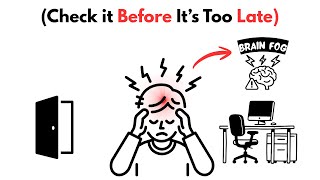
5 Warning Signs You Have Brain Fog, Not a Motivation Problem
Mind Fused · 3:14

YOUR BRAIN IS SECRETLY KEEPING YOU POOR | The Psychology of Scarcity (Audiobook) – Part 1
MindForge Library Official · 15:05

Warning Signs of Brain Breakdown: What You Need to Know
Brainy Touch · 3:33

YOUR BRAIN IS SECRETLY KEEPING YOU POOR | The Psychology of Scarcity (Audiobook) – Part 2
MindForge Library Official · 18:30

The Brain Fog Recovery Matrix: 5 Layers Clear Thinking Depends On
AgingDefeated · 3:05

THE POWER OF SELF-DISCIPLINE | How Daily Habits, Self-Control and Consistency Create Long-Term Succe
MindForge Library Official · 56:14

Top 5 Signs Your Mind Needs a Break Warning Signals Revealed
Mindful Path · 11:26