
The Perineum; anatomical region between the genitals and the anus
The perineum is the region of the body located between the thighs, bounded by the pubic symphysis at the front, the coccyx at the back, and the ischial tuberosities on the sides. It forms the floor of the pelvic cavity and contains important muscles, fascia, and openings for the urogenital and anal structures. 🌍 Boundaries of the Perineum Anterior: Pubic symphysis Posterior: Coccyx Lateral: Ischial tuberosities Roof (superior): Pelvic diaphragm (levator ani and coccygeus muscles) Floor (inferior): Skin and fascia 🔹 Divisions The perineum is divided into two triangular regions: Urogenital triangle (anterior): Contains external genitalia (penis and scrotum in males; vulva in females). Includes openings of the urethra and vagina (in females). Muscles: ischiocavernosus, bulbospongiosus, superficial transverse perineal. Anal triangle (posterior): Contains the anus and external anal sphincter. Ischioanal fossae lie on either side, filled with fat to allow expansion during defecation. 🩺 Functions Support: Provides structural support for pelvic organs. Control: Houses sphincters for urinary and fecal continence. Sexual function: Contains erectile tissues and muscles involved in sexual activity. Childbirth relevance: In females, the perineum stretches during delivery and may tear or be surgically incised (episiotomy). 🔍 Clinical Importance Perineal tears: Common during vaginal childbirth, classified from first-degree (skin only) to fourth-degree (involving rectal mucosa). Episiotomy: Surgical incision sometimes made to enlarge the vaginal opening during delivery. Infections/abscesses: Can occur in the ischioanal fossae. Perineal body: A central fibromuscular node critical for pelvic floor integrity; damage can lead to prolapse #Perineum
Suggested videos
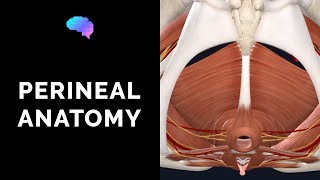
Anatomy of the Perineum (3D tutorial) | UKMLA | CPSA | PLAB 2
Geeky Medics · 10:30

General NON specific Investigation of Gynecological conditions
Jiggy Medical - Gynecology, Obstetrics, Pediatrics · 3:23

Introduction to Clinical Obstetrics and gynecology; medical specialty
Jiggy Medical - Gynecology, Obstetrics, Pediatrics · 2:38

3D Tour of the Perineum
About Medicine · 5:53
Conjoint Twins, Locked Twins, Monsters Fetus in Obstetrics
Jiggy Medical - Gynecology, Obstetrics, Pediatrics · 5:07
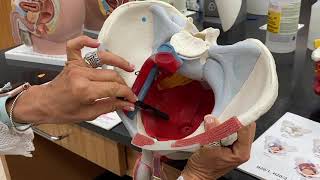
Male and Female Pelvic and Perineal Anatomy
Baylor Anatomy · 8:31

Introduction to Clinical obstetrics; focuses on care of women during pregnancy, childbirth
Jiggy Medical - Gynecology, Obstetrics, Pediatrics · 2:40

Anatomy of the perineum and the erectile tissues of the female external genitalia (clitoris).
Sam Webster · 19:29

Introduction to History Taking and Examination in Obstetrics and Gynaecology
Jiggy Medical - Gynecology, Obstetrics, Pediatrics · 4:43

Male pelvic viscera and perineum (preview) - Human Anatomy | Kenhub
Kenhub - Learn Human Anatomy · 3:27

Medical and Surgical history in History Taking and Examination in Obstetrics and Gynaecology
Jiggy Medical - Gynecology, Obstetrics, Pediatrics · 4:30

Perineum And Perineal Pouches
LET'S TALK ANATOMY · 15:51