
Why Is It Cold? Winter Science Explained
Why does the Earth get so cold in the winter? Discover the science behind freezing weather , how earth's tilt creates seasons, and what really happens during a blizzard! What students will learn: • How Earth's orbit and tilt create the four seasons • The difference between the Northern and Southern Hemispheres • How to read a thermometer (Fahrenheit vs. Celsius) • The science of blizzards and winter storm safety Summary: This educational science video answers the question "why do we have seasons " for K-2 students. We explain how the sun and Earth's tilt control the weather, leading to winter's chill. Students will learn how to measure temperature using a thermometer and explore the dangers of blizzards and snow . Perfect for Earth Science units on weather patterns and seasonal changes! Teacher & Parent Value: Aligned with NGSS K-ESS2-1 and K-PS3-1, this lesson helps students connect astronomical concepts (orbit/tilt) to their daily experience of weather (temperature/seasons). Subscribe for more "Curriculum for Curious Minds" and discover our complete science unit here: https://bit.ly/4sjvvql TIMESTAMPS: 00:00 Introduction: The Solar System 01:10 Earth's Orbit & The Year 02:15 The Secret: Earth's Tilt & Seasons 03:45 Northern vs. Southern Hemisphere 05:10 What is Temperature? 06:30 How to Read a Thermometer 08:00 Winter Storms: Snow & Blizzards 09:15 Summary & Review STANDARDS NGSS Candidates: • K-ESS2-1 (Earth's Systems): Use and share observations of local weather conditions to describe patterns over time. o Confidence: 95% - Direct match to understanding seasonal weather patterns. • K-PS3-1 (Energy): Make observations to determine the effect of sunlight on Earth’s surface. o Confidence: 90% - Explains why tilted-away areas (less sunlight) get colder. • K-ESS3-2 (Earth and Human Activity): Ask questions to obtain information about the purpose of weather forecasting to prepare for, and respond to, severe weather. o Confidence: 85% - Aligns with the "Blizzards" and safety section. CCSS Candidates: • RI.K.3: With prompting and support, describe the connection between two individuals, events, ideas, or pieces of information in a text. o Confidence: 90% - Connecting "Earth's Tilt" to "Winter Cold." • SL.K.2: Confirm understanding of a text read aloud or information presented orally or through other media. o Confidence: 90% - Ideal for video comprehension. Alignment Summary: This video is a primary resource for NGSS K-ESS2-1 and K-PS3-1, linking the amount of sunlight received (due to tilt) directly to the seasonal temperature changes students experience.
Suggested videos

Lumina Learning: Who We Are and What We Do
Lumina Learning · 2:02
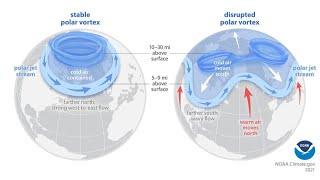
Ask a Scientist - Why does it get so cold in winter?
NOAABoulder · 2:49

The Amazing World of Earth's Biomes
Lumina Learning · 16:45
Where Does Frost Come From? | Winter Science | SciShow Kids
SciShow Kids · 4:24
Practitioner Spotlight Trailer Lumina Learning 04 2022 Featuring Loretta Stagnitto
Lumina Learning USA · 1:11
How Does Snow Form? ❄️✨ | Winter Weather Science for Kids | Curiously Kids
Curiously Kids · 3:24

Potty Training Songs | How to Use the Potty | Potty Power
Lumina Learning · 26:21
The Science Behind Ice Storms | IMR
The Weather Channel · 3:22

Lumina Learning Splash App Overview
Lumina Learning · 2:18
Why Is Winter Cold? - Why do we feel cold in winter? - Why does it get so cold in winter? #youtube
learning junction · 3:11

Lumina Learning Introduction - short version
Lumina Learning Vietnam · 5:16
Why is it Cold in Winter? Fun Learning for Young Kids, Kindergarten, and Preschoolers
WonderKids Academy · 4:07