
America Needed Airfields Faster Than Japan Could Bomb Them. So Caterpillar Went to War.
Dwight D. Eisenhower and Admiral Halsey both named the bulldozer as a primary reason for victory in their respective theaters. This presentation examines how a machine built for farms and road construction became a critical tool on the front lines of World War II. From the Seabees clearing pillboxes on Mono Island to the rapid construction of B-29 runways on Tinian, this history traces the operational life of the bulldozer across the Pacific. You will see how these machines were used to fill bomb craters at Guadalcanal and clear paths off Omaha Beach under heavy fire. Every account detailed here is sourced from official unit records, award citations, and first-hand reports. By examining these documents, we can understand why military leadership prioritized this heavy equipment over traditional combat gear to secure key logistics. Beyond the battlefield, we look at the production efforts at Caterpillar and the contributions of Robert LeTourneau in scaling this technology for war. NEW BOOK: America Needed It. Thirty true stories of the things that won World War II. https://www.amazon.com/dp/B0HN5JRNMR Subscribe for weekly military engineering and history breakdowns, and let us know in the comments if you have a family member who served in the Seabees. 0:00 The Unlikely Hero of Mono Island 1:58 Why Commanders Valued the Bulldozer 7:03 The Man Who Built the Blades 12:05 The Fight for Henderson Field 23:00 The Hardest Day on Omaha Beach 32:26 Tinian: The World's Largest Airfield 36:23 The Legacy of the Unarmed Machine #WW2 #History #Seabees
Suggested videos
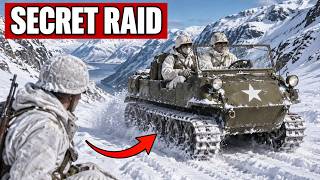
Studebaker Built This Snow Machine for a Secret Raid on Norway. The Raid Never Happened
WW2 Total Archive · 31:59
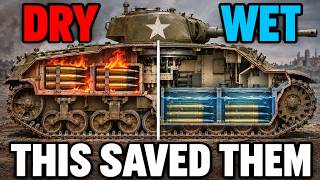
America’s Shermans Kept Catching Fire — So the Army Hid Their Shells in Water
WW2 Total Archive · 27:27

Family Guy Funny Spelling
Privacy Lambda · 0:19
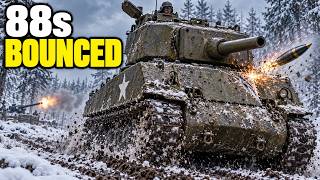
Only 254 Shermans Were Built Like This. One Broke Into Bastogne
WW2 Total Archive · 26:19

South Park How Chinese People view to the Japanese
Graylandertagger · 1:08
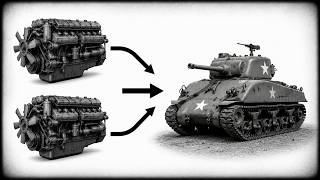
America's Sherman Needed Diesel Power in 1942 — So GM Coupled Two Truck Engines Together
WW2 Total Archive · 35:17

The most honest cigarette commercial ever!
wileyvision13 · 0:50

America’s Guns Bounced Off Panthers — So It Built the M36
WW2 Total Archive · 26:38

The Russian badger round meal clip
Blackout Lol · 0:43
The Coolant That Quietly Kept American Tank Engines Alive
WW2 Total Archive · 44:33

Vybz Kartel - Any Weather (Official Video)
VybzKartelRadio · 3:45
America's Convoys Kept Getting Strafed — So a Gas Pump Company Built the Meat Chopper
WW2 Total Archive · 24:26