
The Mongol Way of Surviving the Frozen Steppe Without Firewood Explained
This episode explores how Mongol nomads survived the brutal winters of the Central Asian steppe where firewood was scarce or completely absent. It explains how portable yurts insulated with thick felt retained heat even when temperatures plunged far below freezing. Instead of wood, Mongols relied on dried animal dung as fuel for their stoves, creating steady warmth inside their shelters. The film also examines how camp placement, livestock, and layered clothing were part of a larger survival system. On the frozen steppe, survival depended on mobility, smart shelter design, and a deep understanding of the environment.
Suggested videos
How Mongols Built & Survived In Yurtz At -50°C (-58°F ) In Brutal Winters
The Human Craft · 26:31
How Mongols Cooked, Ate & Survived the Frozen Steppe at –50°C: Full Winter Life Explained
The Human Craft · 20:31
How Vikings Survived In Longhouses At -40°C (-40°F) Without Freezing To Death
The Human Craft · 27:56
The Mongolian Method of Surviving the Frozen Steppe Without Firewood at −50°C — Explained
Sabiduría Antigua con Gomes · 15:34
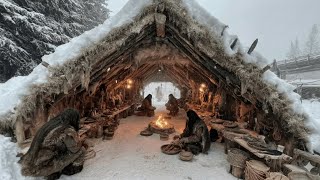
Native American Winter Shelter, Heating & Survival Engineering Secrets | Human Craft Documentary
The Human Craft · 26:52
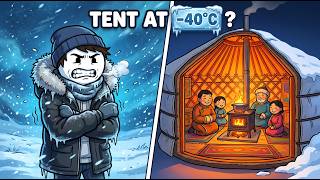
Why Do Mongolian Nomads Live in Felt Tents at −40°C?
Sapien Blueprints · 14:16
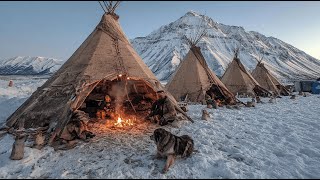
How Native Americans Built & Lived In Tipis At -30°C (-22°F ) | Human Craft Documentary
The Human Craft · 10:21
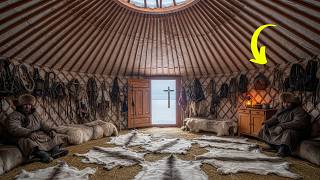
The Mongolian Way of Surviving in the Frozen Steppe Without Firewood Explained
Officina di Sopravvivenza · 20:57
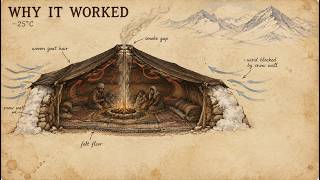
How Afghan Nomads Built Goat-Hair Tents And Survived –30°C Brutal Winters
The Human Craft · 21:19

How a Mongol Herder Survived the Steppe, 1220
The Long Ago Hour · 32:34
How Native Americans Built & Lived In Buffalo-Hide Winter Camps At -40°C (-40°F)
The Human Craft · 26:35
Why Don't Mongolian Tents Freeze at -50°C?
CURIOUS EARTH · 12:46