
David Hastings : Florida's Grassroots Fight Against Plastic
#grassroots_revolution #single_use_plastics #florida_environment Grassroots Revolution Fighting Single Use Plastics Across Florida highlights how local communities are taking meaningful action to reduce plastic pollution and protect the state's natural beauty. Single-use plastics such as bags, bottles, straws, and food containers have become a major environmental concern, affecting beaches, rivers, wildlife, and marine ecosystems. With Florida's extensive coastline and diverse habitats, reducing plastic waste is essential for preserving both the environment and the state's tourism industry. The article explores how volunteers, environmental organizations, schools, and local businesses are working together through beach cleanups, educational programs, and sustainability initiatives. These grassroots efforts encourage people to switch to reusable products, recycle responsibly, and adopt eco-friendly habits that reduce waste at its source. Many businesses are also replacing disposable plastics with sustainable alternatives, helping create a culture of environmental responsibility. It also examines the role of community leadership and local policies in promoting waste reduction and raising public awareness. While progress varies across different areas, growing support for sustainable practices continues to inspire positive change throughout Florida. The article concludes by emphasizing that small everyday actions can make a lasting impact. Choosing reusable bags, water bottles, and food containers, participating in cleanup events, and supporting environmentally responsible businesses all contribute to a cleaner, healthier Florida. Together, these collective efforts demonstrate how grassroots action can drive long-term environmental change and help protect the state's beaches, wildlife, and communities for future generations. View full content: https://davidhastingsmarinescience0.blogspot.com/2026/07/david-hastings-grassroots-revolution.html About this author: Dr. David W. Hastings is a marine scientist, educator, and environmental advocate with more than 30 years of experience in oceanography, marine chemistry, climate science, and science communication. He earned his B.S. in Chemistry, cum laude, from Princeton University and completed his M.S. and Ph.D. in Oceanography at the University of Washington, where he received recognition for his doctoral research. Dr. Hastings has built an extensive academic and research career through work at institutions including Eckerd College, the University of South Florida College of Marine Science, Boston University, Woods Hole Oceanographic Institution, and the University of British Columbia. At Eckerd College, he advanced from Assistant Professor to Professor of Marine Science and Chemistry while contributing through teaching, research, leadership, and academic service. His research focuses on marine geochemistry, chemical oceanography, climate systems, paleoceanography, and the effects of pollution such as microplastics on marine environments. He has published more than 40 peer-reviewed scientific papers and conducted important research on the environmental impacts of the Deepwater Horizon Oil Spill in the Gulf of Mexico. During his career, he has received more than $1.5 million in research funding through numerous grants supporting scientific and educational projects. Dr. Hastings has received several honors for his teaching, research, and public outreach, including the Robert A. Staub Distinguished Teacher Award, the Lloyd Chapin Award for Excellence in Scholarship, and recognition as a Science Champion by the Union of Concerned Scientists. He is also known for his efforts to communicate climate science and engage with communities and policymakers. Beyond academia, Dr. Hastings remains active in environmental advocacy through organizations such as the Sierra Club, where he serves as chair of the Executive Committee of the Suwannee–St. Johns chapter in Florida. Living in Gainesville, Florida, he continues to support climate awareness, marine conservation, and science education while enjoying outdoor activities such as hiking, kayaking, swimming, and backpacking.
Suggested videos

David Hastings | Memories of the Manor House
Sandwell Memories · 2:48
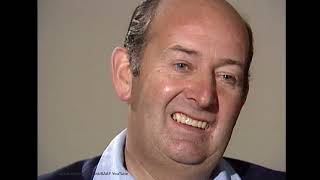
David Hastings 2nd Air Division Memorial Trust Governor Reacts to the 1987 Reunion in Norwich
Joe Dzenowagis · 10:03
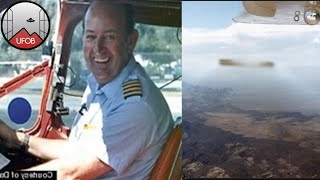
1985 🇺🇸 #UFOB [CASE] David Hastings' picture of a cigar shaped UFO
UFOB | Your UAP Library · 10:19
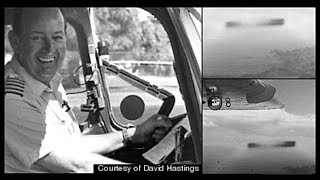
Pilot David Hastings took a photo of a UFO while flying over the Mojave Desert, September 9, 1985
Eyes On Cinema · 8:43
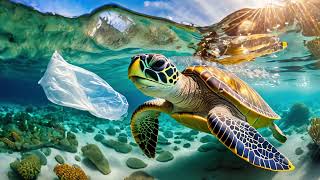
David Hastings : Plastic Pollution Choking Our Oceans
David Hastings · 1:23

Course Preview: Healing Sounds Detoxification Qigong: A Master Course with David Hastings Lloyd
Healthy Seminars Online · 3:44
MidPoint | David Hastings, Ph.D discusses the banned “climate change” or “global warming”
Newsmax · 5:29
Baptism of David Hastings
Huron Chapel · 6:26