
How New Jersey Lost Its Summer Capital: Long Branch
Long Branch, New Jersey, was once more than a seaside resort. For a few summers it was the capital of the United States. In 1881, President James Garfield was carried aboard a special train, a bullet still lodged behind his pancreas, and brought to the Jersey Shore as the last remedy his doctors had left. When the rails stopped more than half a mile short of the oceanfront cottage waiting for him, the town laid the final stretch of track itself. The bluffs, the sea air and the grand cottages made the town a place presidents chose, and the presidents who came gave it its name: the summer capital. But a town built on summer crowds, famous guests and ocean-front fashion also depended on all three staying put. The Newmarket, the long summers and the crescendo of the Gilded Age gave way to an auction and then a long decline. Today the Garfield Tea House stands in the park, built from railroad ties like those the town spiked down in a day. A statue of Ulysses Grant looks out over the lawn, and trains still stop at the depot. At 995 Ocean Avenue there is only a field with a low white fence, where the summer capital's cottage once stood. This is the story of how a dying president, a town that laid its own track, and seven presidents' summers built Long Branch's golden age — and how an auction and a long decline brought it to an end. A full history documentary about Long Branch, New Jersey — from the Gilded Age summer capital to the empty lot at 995 Ocean Avenue. Copyright & Fair Use Disclaimer • This video is a non-commercial, educational history documentary created for commentary, criticism and research. • Some archival photos and footage are used under the principles of Fair Use (Section 107, U.S. Copyright Act) for purposes such as criticism, comment, news reporting, teaching, scholarship, and research.
Suggested videos

The Rise and Fall of America's Greatest Tourist Town: Gettysburg, Pennsylvania
Grand Manors · 40:39
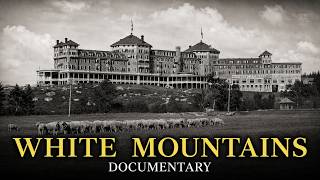
The Rise and Fall of America's Grandest Mountain Paradise: The White Mountains
Grand Manors · 34:59
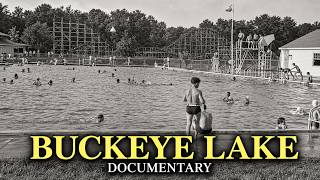
Why Nobody Wants to Visit the Playground of Ohio Anymore: Buckeye Lake
Grand Manors · 39:52
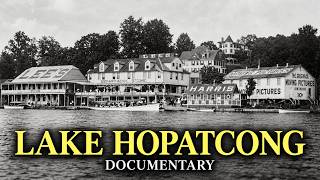
How New Jersey Lost Its Favorite Lake Resort: Lake Hopatcong
Grand Manors · 44:07

The Rise and Fall of the City That Invented Modern America: Springfield, Massachusetts
Grand Manors · 53:08
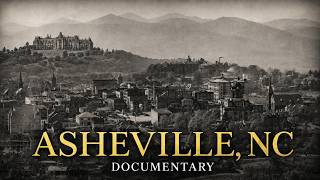
How One Vanderbilt Mansion Built and Bankrupted an Entire City: Asheville
Grand Manors · 46:38

How America's Richest City Sold Itself to Survive: Key West, Florida
Grand Manors · 46:19
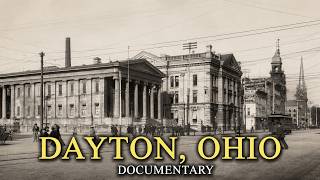
The Rise and Fall of America's Most Inventive City: Dayton, Ohio
Grand Manors · 45:24