
Video unavailable
This video can't be played right now.
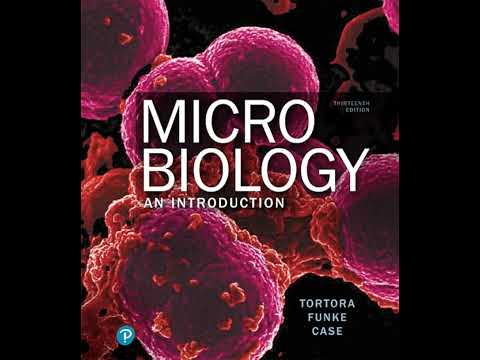
Microbial Genetics | Chapter 8 - Microbiology: An Introduction
Last Minute Lecture is a student-run project and is currently funded entirely by students who believe educational resources should remain free and accessible. If Last Minute Lecture has helped you study, please consider supporting the project. ❤️ https://lastminutelecture.com/support/ All chapters are now available for free on our new platform: https://lastminutelecture.com 📚 Chapter 8 of Microbiology: An Introduction (13th Edition) by Tortora, Funke, and Case explores the molecular basis of heredity in microorganisms, focusing on how genetic information is stored, expressed, and transferred. The chapter opens with an overview of genetics, defining genome, gene, and genotype versus phenotype. It introduces the central dogma of molecular biology, where DNA is transcribed into RNA, which is then translated into protein. The structure of DNA is reviewed, emphasizing complementary base pairing and antiparallel strands, and the process of DNA replication is described as semi-conservative and mediated by enzymes like DNA polymerase, helicase, and ligase. Next, the chapter details transcription and translation in prokaryotes, explaining how mRNA, rRNA, and tRNA function in protein synthesis. It covers codons, the genetic code, and how ribosomes read mRNA to produce polypeptides. Gene regulation is explored through the operon model, particularly the lac operon, which exemplifies inducible gene expression, and the trp operon for repressible systems. The chapter then turns to mutations—changes in DNA sequence—including base substitutions, frameshift mutations, and their potential effects. It distinguishes between spontaneous and induced mutations and discusses mutagens like radiation and chemicals. DNA repair mechanisms, such as photolyase and nucleotide excision repair, are also introduced. A major focus is placed on genetic recombination in bacteria. Transformation (uptake of naked DNA), conjugation (plasmid transfer via sex pili), and transduction (DNA transfer via bacteriophages) are all examined as methods of horizontal gene transfer. The chapter emphasizes the role of plasmids—like R factors and F factors—in spreading antibiotic resistance and other traits. Transposons, or “jumping genes,” are introduced as mobile genetic elements that can insert themselves within genomes. Finally, the chapter links microbial genetics to biotechnology and public health, highlighting how understanding gene transfer mechanisms enables innovations like genetic engineering, gene cloning, and the fight against antibiotic resistance. Thank you for being a part of our little Last Minute Lecture family! ⚠️ Disclaimer: These summaries are created for educational and entertainment purposes only. They provide transformative commentary and paraphrased overviews to help students understand key ideas from the referenced textbooks. Last Minute Lecture is not affiliated with, sponsored by, or endorsed by any textbook publisher or author. All textbook titles, names, and cover images—when shown—are used under nominative fair use solely for identification of the work being discussed. Some portions of the writing and narration are generated with AI-assisted tools to enhance accessibility and consistency. While every effort has been made to ensure accuracy, these materials are intended to supplement—not replace—official course readings, lectures, or professional study resources. Always refer to the original textbook and instructor guidance for complete and authoritative information.
Suggested videos
Chapter 8- Microbial Genetics
Dr. Julie Wells (Orange Coast College) · 3:24:06

Obstructive Pulmonary Diseases | Chapter 31 – Lewis’s Medical-Surgical Nursing (12th)
Last Minute Lecture · 30:55
2117 Chapter 8 Part A - Microbial Genetics
Hatch Biology · 32:45

Pregnancy-Related Complications | Chapter 25 – Maternal-Child Nursing (6th)
Last Minute Lecture · 27:51
Chapter 6 - Microbial Genetics
Dr. D Explains Stuff · 1:27:53
Gas Exchange, COPD, and Ventilation Support | Unit VI – Medical-Surgical Nursing Textbook
Last Minute Lecture · 1:09:28

Bacterial Genetics
Ninja Nerd · 40:41
Labor & Birth Nursing Care | Unit 4 – Maternal Child Nursing Care (7th)
Last Minute Lecture · 37:09
Bacterial DNA & Genetics: Crash Course Biology #38
CrashCourse · 10:25
Patient Education and Teaching Strategies | Chapter 25 – Fundamentals of Nursing (11th)
Last Minute Lecture · 24:17
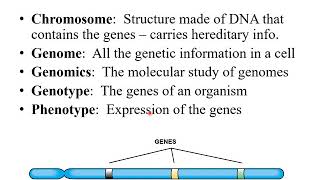
Chapter 8 Microbial Genetics Part 1
Dr. Julie Wells (Orange Coast College) · 35:02
Functional Assessment of the Older Adult | Chapter 32
Last Minute Lecture · 22:11