
How to make a Terrarium at home
TỰ LÀM TIỂU CẢNH TERRARIUM TRANG TRÍ PHÒNG KHÁCH : How to Make a Terrarium: A Step-By-Step Guide Terrariums operate as self-sustaining greenhouses and are popular among busy plant lovers who may not have the time to sustain a full garden. Most terrariums only need water and care a few times a year, and serve as a beautiful and unique alternative to traditional plants and flowers that typically need more attention. Terrariums are made up of stone, soil, charcoal, plants, and a little personality. You can make your own in under an hour with very few inexpensive materials. Here are some pointers for creating and caring for your own terrarium . Crafting a Terrarium : What You Will Need: Container with no drainage holes Terrarium plants Sheet moss Gravel, sea glass, or beach stones Activated charcoal (found at a nursery or pet supply store) Sterile potting mix without perlite or vermiculite A large spoon Spray bottle Optional: decorative elements How to Make a DIY Terrarium in 7 Steps 1. Choose a Container The fun thing about making a terrarium is you can choose almost any clear container or glass jar with a wide enough opening to allow you to add your selected plants. You can be as creative and resourceful as you want — upcycling something you have around the house or visiting your local thrift store are great ways to find something unique and help the environment. Popular options for terrarium containers include aquariums, goldfish bowls, mason or pickle jars, and Wardian cases. Tip: Closed containers hold humidity, so they are ideal for tropical plants and others that need moist conditions. Choose open containers for cacti and other plants that need drier conditions. 2. Pick Plants Visit your local garden center or nursery to find plants that suit the size and shape of your container. You can choose from a wide variety of plants, including small potted versions of houseplants such as croton, pothos, lucky bamboo, and creeping fig. You want to choose terrarium plants with various foliage forms. Recommendations: Spike mosses (Selaginella spp.) work especially well as ground covers. S. uncinata will make your terrarium stand out with its aquamarine foliage. The tight, chartreuse-yellow leaves of S. kraussiana ‘Aurea’ make an attractive addition to any terrarium. Polka dot plant (Hypoestes phyllostachea) adds color with its pink, red, or white-spotted leaves. Compact and miniature ferns bring interesting textures to terrariums. Lemon button fern (Nephrolepis cordifolia ‘Duffii’) and Korean rock fern (Polystichum tsus-senense) are especially well-suited choices. 3. Add Drainage Layers Terrarium containers do not have drainage holes, so it is important to create drainage layers to prevent plant roots from rotting. Start by putting a 2-inch layer of coarse gravel, sea glass, or beach stones on the bottom of your container. Next, use a large spoon to add a quarter- to a half-inch layer of activated charcoal on top of the gravel to prevent fungi from growing on the stones when they are wet. 4. Add Moss and Potting Soil Spread a layer of sheet moss over the stones and charcoal to keep your next layer of potting soil from mixing in with the charcoal and stones. Then, cover the gravel and charcoal with about 1 inch of sterile potting mix. In total, the base layer should take up one-quarter to one-third of the container to leave room for the plants to grow. 5. Prep Plants and Terrarium Design First, remove the plants you’ve chosen from their nursery pots and tease the roots apart if necessary. Before planting, take time to design the plants’ arrangement for your terrarium. Set larger plants in the center, with smaller plants around it. 6. Add Plants Now it’s time to put your plants into the soil. Use your fingers or a large spoon to dig a hole in the potting mix for each plant. Then, carefully place the plants in the holes and gently pat the soil down around them. There should be about a half-inch layer of soil on top to cover plants. Tip: To create a pleasing, asymmetrical design, set the tallest plant toward the back or off-center and space the other plants around it. 7. Decorate Your Terrarium with optional items This is the fun part! You can finish off your terrarium with a layer of bark chips or colored gravel for additional flair. Add small figurines, seashells, stones, or other appropriately sized whimsical items to truly personalize your mini garden. MADE BY MAI DUC CHINH #bonsai #terrarium #tiểucảnh #câyxanh #câytrồng #garden #phongthuy
Suggested videos
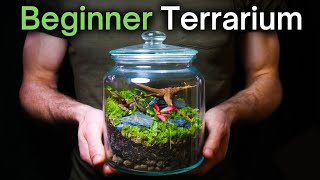
How To Make a Terrarium: An In-Depth Tutorial
Terrarium Designs · 12:09

Phật Mẫu Diêu Trì (Điện thờ Mẹ Diêu Trì Địa Mẫu)
Y Trinh Story · 7:00
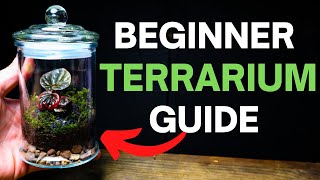
How To Make a Terrarium - A SIMPLE Beginner Guide
Terrarium Designs · 5:36

Đọc Kinh Đại Bảo Tích (full 9 Tập)- Tập 8-Trang 350-400
Y Trinh Story · 1:10:36

How To Make a Terrarium - Beginner Friendly Tutorial
Terrarium Designs · 7:15

Đọc Kinh Đại Bảo Tích (full 9 Tập)- Tập 8-Trang 300-350
Y Trinh Story · 1:10:00
How to Make A Terrarium (Full Version) // Garden Answer
Garden Answer · 9:44

Veteran Tran Trinh unexpectedly receives a gift from CEO Ngoc – and the story behind it
Trần Trinh TV · 54:07
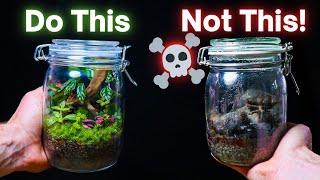
10 ESSENTIAL Terrarium Tips For Beginners!
Terrarium Designs · 8:16

Trì Chú Lăng Nghiêm (Ý TRINH)
Y Trinh Story · 9:36
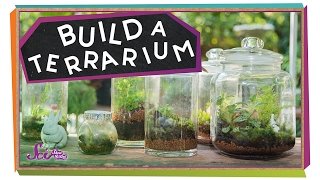
Build a Tiny Plant World! | Science Project for Kids
SciShow Kids · 4:44

ĐẠI LỄ NGÀY PHẬT MẪU GIÁNG TRẦN
Y Trinh Story · 16:42