
Nursing Care for Patients with HIV and AIDS | Chapter 17 – Lewis’s Medical-Surgical Nursing
Last Minute Lecture is a student-run project and is currently funded entirely by students who believe educational resources should remain free and accessible. If Last Minute Lecture has helped you study, please consider supporting the project. ❤️ https://lastminutelecture.com/support/ All chapters are now available for free on our new platform: https://lastminutelecture.com 📚 Chapter 17 of Medical-Surgical Nursing: Concepts for Interprofessional Collaborative Care (10th Edition) provides a comprehensive overview of HIV infection, its progression to AIDS, and the nursing management of patients living with the disease. The chapter begins by describing HIV pathophysiology, explaining how the virus targets CD4+ T-lymphocytes (helper T-cells), integrates into host DNA, and progressively destroys immune function. When CD4+ counts drop below 200 cells/mm³ or an opportunistic infection develops, the condition meets the diagnostic criteria for AIDS. The chapter emphasizes that effective nursing care focuses on prevention, early detection, adherence to treatment, and reducing transmission. The HIV transmission process is reviewed in detail, highlighting blood, semen, vaginal secretions, breast milk, and perinatal exposure as key routes. Nurses are reminded that HIV cannot be spread through casual contact, emphasizing the importance of patient and community education to dispel stigma. Standard precautions are vital in all care settings. The chapter outlines the stages of HIV infection, from acute infection (flu-like symptoms, high viral load) to clinical latency (chronic HIV) and finally to AIDS. Laboratory monitoring includes CD4+ T-cell counts, viral load testing, and resistance assays. Antiretroviral therapy (ART)—a combination of at least three drug classes—suppresses viral replication, preserves immune function, and prevents transmission. Strict adherence is essential to prevent resistance. Nurses play a key role in promoting adherence, managing side effects, and providing culturally sensitive education. Common opportunistic infections and malignancies are discussed, including Pneumocystis jirovecii pneumonia (PJP), tuberculosis, candidiasis, cytomegalovirus (CMV), toxoplasmosis, Kaposi’s sarcoma, and non-Hodgkin lymphoma. Nutritional deficiencies, wasting syndrome, and chronic diarrhea are also addressed. Nursing care focuses on infection prevention, medication management, respiratory support, pain control, hydration, and psychosocial adaptation. The chapter also highlights HIV prevention strategies, including pre-exposure prophylaxis (PrEP) for high-risk populations, post-exposure prophylaxis (PEP) following occupational or sexual exposure, and routine testing recommended by the CDC for all adults. Counseling should address safe sex practices, harm-reduction strategies for injection drug users, and reproductive health for HIV-positive individuals. Psychosocial and ethical considerations are central to nursing care. Patients often face stigma, depression, anxiety, and social isolation. Nurses provide emotional support, connect patients with resources, and advocate for confidentiality and nondiscrimination. Ethical issues—such as partner notification, disclosure, and informed consent—require sensitivity and adherence to state laws. In end-stage disease, care shifts toward symptom management, comfort, and dignity. Palliative and hospice services are integrated to address pain, dyspnea, and emotional distress while supporting family caregivers. The chapter concludes by stressing that early detection, lifelong ART adherence, and interprofessional collaboration have transformed HIV into a chronic, manageable condition. Nurses remain essential in prevention, education, and compassionate care for all individuals living with HIV. 📘 Read full blog summaries for every chapter: https://lastminutelecture.com Thank you for being a part of our little Last Minute Lecture family! ⚠️ Disclaimer: These summaries are created for educational and study purposes only. While every effort has been made to ensure accuracy, they may not perfectly reflect the complete content of the textbook. Last Minute Lecture materials are designed to supplement, not replace, official course readings, lectures, or professional study resources. Always refer to the original textbook and instructor guidance for comprehensive learning and clinical accuracy.
Suggested videos

HIV AIDS Nursing: Symptoms, Pathophysiology, Life Cycle, Treatment, ART NCLEX
RegisteredNurseRN · 38:53

Obstructive Pulmonary Diseases | Chapter 31 – Lewis’s Medical-Surgical Nursing (12th)
Last Minute Lecture · 30:55

Pregnancy-Related Complications | Chapter 25 – Maternal-Child Nursing (6th)
Last Minute Lecture · 27:51
HIV and AIDS - Medical-Surgical - Immune System | @LevelUpRN
Level Up RN · 4:08
Gas Exchange, COPD, and Ventilation Support | Unit VI – Medical-Surgical Nursing Textbook
Last Minute Lecture · 1:09:28
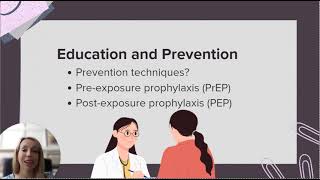
NP Exam Prep: Understanding HIV in Primary Care
Sarah Michelle NP Reviews · 5:52
The Cardiovascular and Lymphatic Systems | Unit 7 - Understanding Pathophysiology (7th Edition)
Last Minute Lecture · 1:42:49
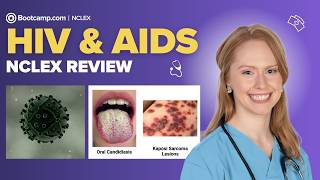
HIV & AIDS for the NCLEX | Stages, Diagnosis, Opportunistic Infection Triggers
NCLEX Bootcamp · 9:55
Respiratory System Assessment | Chapter 27 – Lewis’s Medical-Surgical Nursing (12th)
Last Minute Lecture · 39:15
HIV Care Education at Rutgers School of Nursing
Rutgers School of Nursing · 3:21
Patient Education and Teaching Strategies | Chapter 25 – Fundamentals of Nursing (11th)
Last Minute Lecture · 24:17
Making HIV nursing care work for patients
Sheffield Hallam University · 1:01