
The Worst Sleep vs The Best Sleep (According to Science)
Two people sleep eight hours. One wakes up fresh, the other like a zombie. The difference is a few habits most of us get wrong, because we believe popular sleep myths. In this video we break 7 of them with science: why 6 hours is not enough (and why you will not notice), why you cannot catch up on the weekend, why a regular schedule matters more than you think (social jet lag), how long caffeine really stays in your body, what alcohol does to your sleep, whether evening exercise ruins sleep, and the ideal bedroom temperature plus the warm-shower trick. Plus what happens in your brain at night, and the perfect night of sleep, hour by hour. Chapters 0:00 Same hours, different sleep 0:54 What happens when you sleep 1:55 Myth 1: Six hours is enough for me 3:33 Myth 2: I can catch up on the weekend 4:28 Myth 3: My schedule does not matter 5:40 Myth 4: Coffee does not affect me 6:40 Myth 5: A drink helps me sleep 7:15 Myth 6: Exercising at night ruins sleep 7:54 Myth 7: A warm room helps you sleep 8:54 The perfect night, hour by hour This video is general education, not medical advice. If you snore loudly, stop breathing at night or feel exhausted every day, talk to a doctor. Sources - Xie, L. et al. (2013). Sleep drives metabolite clearance from the adult brain. Science. https://doi.org/10.1126/science.1241224 - Van Dongen, H. P. A. et al. (2003). The cumulative cost of additional wakefulness. Sleep. - Prather, A. A. et al. (2015). Behaviorally assessed sleep and susceptibility to the common cold. Sleep. - Yoo, S.-S. et al. (2007). The human emotional brain without sleep: a prefrontal amygdala disconnect. Current Biology. - Williamson, A. M. & Feyer, A.-M. (2000). Moderate sleep deprivation produces impairments in cognitive and motor performance equivalent to legally prescribed levels of alcohol intoxication. Occupational and Environmental Medicine. - Watson, N. F. et al. (2015). Recommended amount of sleep for a healthy adult. Sleep / AASM-SRS consensus. - Depner, C. M. et al. (2019). Ad libitum weekend recovery sleep fails to prevent metabolic dysregulation during a repeating pattern of insufficient sleep and weekend recovery sleep. Current Biology. - Spiegel, K. et al. (2004). Sleep curtailment in healthy young men is associated with decreased leptin levels, elevated ghrelin levels, and increased hunger and appetite. Annals of Internal Medicine. - Wittmann, M. et al. (2006). Social jetlag: Misalignment of biological and social time. Chronobiology International. - Windred, D. P. et al. (2024). Sleep regularity is a stronger predictor of mortality risk than sleep duration. Sleep. - Phillips, A. J. K. et al. (2017). Irregular sleep/wake patterns are associated with poorer academic performance. Scientific Reports. - Drake, C. et al. (2013). Caffeine effects on sleep taken 0, 3, or 6 hours before going to bed. Journal of Clinical Sleep Medicine. - Ebrahim, I. O. et al. (2013). Alcohol and sleep I: Effects on normal sleep. Alcoholism: Clinical and Experimental Research. - Stutz, J., Eiholzer, R. & Spengler, C. M. (2019). Effects of evening exercise on sleep in healthy participants: A systematic review and meta-analysis. Sports Medicine. - Haghayegh, S. et al. (2019). Before-bedtime passive body heating by warm shower or bath to improve sleep. Sleep Medicine Reviews. - Mason, I. C. et al. (2022). Light exposure during sleep impairs cardiometabolic function. PNAS. - Qaseem, A. et al. (2016). Management of chronic insomnia disorder in adults (CBT-I first-line). Annals of Internal Medicine. Watch next: How Reading Changes Your Brain https://youtu.be/DXINYuhjxEo #sleep #sleepscience #health #psychology #selfimprovement
Suggested videos
Worst Sleep vs. Scientifically Best Sleep
Lil code · 26:16

NEXO - 2045 (Official Music Video) | AI Origin Story Trap Musical
NEXO_GLITCHGRID · 2:43

The Best & Worst Sleep Position As You Age According To Mayo Clinic
Bob & Brad · 10:50

Welcome to The AI Nexo - No.1 Artificial Intelligence Institute in Ghaziabad, Noida, Delhi NCR
The AI Nexo · 6:29
Best and Worst Foods for Sleep: Dr. Barnard’s Science-Backed Rules
Physicians Committee · 32:27

Nexo Workbench: Local-First AI Agent Orchestration for Developers
Nuno Salvação · 1:16
I Tested the Worst vs Best Sleep (According to Science)
Miles Sharp · 10:48
Nexo: AI Night Vision That Recognizes What You See – This Is Insane!
Top Crowdfunding Campaigns · 0:55
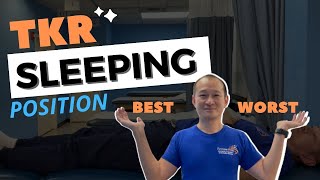
Best & Worst Sleeping Position after Total Knee Replacement
Restore Plus Physical Therapy · 9:00
NEXO - Prove Them Wrong (Lyrics) | They Said I'd Never Make It
Nexo · 3:47
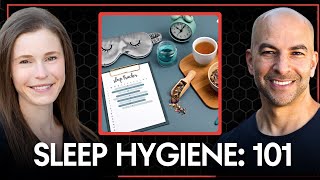
Sleep Hygiene 101: The Best (and Worst) Habits for Better Sleep | Ashley Mason, Ph.D.
Peter Attia MD · 26:31

5 Real Ways to Make Money with AI in 2026 | AI Nexo
AI NEXO · 9:49