
Limbic System Anatomy Animation🧠 Components, Functions & Clinical Relevance | Dr G Bhanu Prakash
📌𝗝𝗼𝗶𝗻 𝗢𝘂𝗿 𝗧𝗲𝗹𝗲𝗴𝗿𝗮𝗺 𝗖𝗵𝗮𝗻𝗻𝗲𝗹 𝗛𝗲𝗿𝗲:- https://t.me/bhanuprakashdr 📌 𝐅𝐨𝐥𝐥𝐨𝐰 𝐨𝐧 𝐈𝐧𝐬𝐭𝐚𝐠𝐫𝐚𝐦:- https://www.instagram.com/drgbhanuprakash 📌𝗦𝘂𝗯𝘀𝗰𝗿𝗶𝗯𝗲 𝗧𝗼 𝗠𝘆 𝗠𝗮𝗶𝗹𝗶𝗻𝗴 𝗟𝗶𝘀𝘁:- https://linktr.ee/DrGBhanuprakash Limbic System 🧠 Components, Functions & Clinical Relevance | USMLE Step 1 | Dr G Bhanu Prakash In this high-yield video, Dr G Bhanu Prakash explains the Limbic System in a way that blends deep neuroanatomy with Step 1–relevant clinical application. The limbic system is the emotional and behavioral command center of the brain, integrating memory, motivation, fear, pleasure, aggression, and autonomic function. Understanding its key components, interconnections, and functions is essential for answering USMLE Step 1 questions that combine neuroanatomy, physiology, psychiatry, and clinical neurology. The video begins by breaking down the anatomical components of the limbic system — including the hippocampus, amygdala, cingulate gyrus, hypothalamus, mammillary bodies, fornix, and septal nuclei. Each structure is explained with its associated function: – The hippocampus is vital for short-term to long-term memory consolidation – The amygdala governs fear, aggression, emotional tagging of memory, and is implicated in conditions like Klüver-Bucy syndrome – The cingulate gyrus integrates emotion with behavior – The hypothalamus links emotions to autonomic and endocrine responses – The mammillary bodies are involved in memory relay and can degenerate in Wernicke-Korsakoff syndrome Dr Bhanu Prakash also explains the Papez Circuit, a critical neural pathway within the limbic system that connects emotion and memory, highlighting its clinical relevance in amnesia, personality changes, and psychiatric disorders. Clinical pearls include: – Bilateral amygdala lesions → Hyperorality, hypersexuality, and placid behavior (Klüver-Bucy) – Hippocampal damage → Anterograde amnesia – Thiamine deficiency → Affects mammillary bodies → Wernicke-Korsakoff syndrome – Limbic epilepsy → Aura, déjà vu, and emotional outbursts By the end of this lecture, you'll understand not only the structure and function of the limbic system but also how its dysfunction presents in neurologic and psychiatric illness, all in a clinically integrated manner perfect for the USMLE Step 1. #LimbicSystem #USMLEStep1 #Neuroanatomy #Hippocampus #Amygdala #WernickeKorsakoff #KluverBucySyndrome #EmotionAndMemory #CingulateGyrus #PapezCircuit #Neurophysiology #MedicalEducationUSA #DrGBhanuPrakash #NBMEReview #BrainAnatomy #Step1Prep #HighYieldNeuroscience #USMLE2025 #PsychiatryIntegration #NeuroClinicalPearls #MedicalYouTube #WhiteboardMedicine #medicalanimations #fmge #fmgevideos #rapidrevisionfmge #fmge2024 #mbbslectures #nationalexitexam #nationalexittest #neetpg #usmlepreparation #usmlestep1 #fmge #usmle #drgbhanuprakash #medicalstudents #medicalstudent #medicalcollege #neetpg2025 #usmleprep #usmlevideos #usmlestep1videos #medicalstudents #neetpgvideos #usmlestep2videos
Suggested videos
Sciatic Nerve Anatomy Animation - Course, Relations, Branches, Distribution & Clinical anatomy
Dr.G Bhanu Prakash Animated Medical Videos · 6:56
Scalp Anatomy Animation : Head and Neck Anatomy Animations
Dr.G Bhanu Prakash Animated Medical Videos · 9:51
Coronary Circulation Animation | Systole vs Diastole, Regulation & Oxygen Demand: Dr G Bhanu Prakash
Dr.G Bhanu Prakash Animated Medical Videos · 12:14
Circle of Willis Animation : Neuroanatomy USMLE Step 1
Dr.G Bhanu Prakash Animated Medical Videos · 11:30
Anatomy of the Upper Limb ( Part - 1 ) : Fmge, Neet pg, NEXT and USMLE Step 1
Dr.G Bhanu Prakash Animated Medical Videos · 2:04:50
ANATOMY OF EXTERNAL EAR - Dr.G.Bhanu Prakash
Dr.G Bhanu Prakash Animated Medical Videos · 20:57
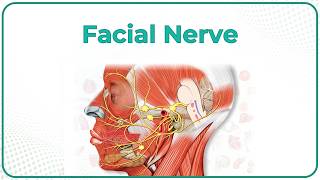
Facial Nerve Anatomy Animation : Nuclei, Course, Branches and Facial nerve Palsy | USMLE Step 1
Dr.G Bhanu Prakash Animated Medical Videos · 11:39
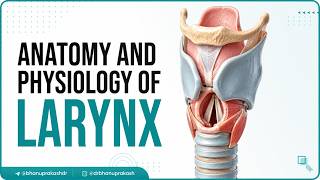
Anatomy and Physiology of Larynx , Action of Laryngeal muscles , Dr Bhanu prakash
Dr.G Bhanu Prakash Animated Medical Videos · 6:21