
How America Hid a Secret Doomsday Bunker Inside Its Grandest Resort: The Greenbrier
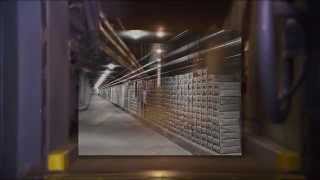
The Greenbrier, West Virginia, was once more than a mountain spa — it was a retreat for the powerful, and later, the last refuge planned for the United States government itself. Founded on a sulphur spring that drew settlers in 1778 seeking relief from rheumatism and gout, the resort grew from a bathhouse into a grand hotel, then served as Ashford General Hospital during wartime and later hosted a foreign government's exiled diplomats. Beneath its manicured grounds, workers poured twenty-five-ton blast doors, built more than a thousand bunk beds into windowless rooms, and constructed an auditorium meant to seat the entire U.S. Congress — disguised as a hotel conference space complete with a stage for talent shows. But the same secrecy that protected the resort's mountain sanctuary also demanded silence from the men who built it, who risked federal prosecution for describing the project to their own wives. On October 16, 1962, a construction supervisor sealed the last section of that auditorium's ceiling, burying 14 million dollars of concrete and steel under a wing guests knew only as new hotel rooms. For three decades, visitors in golf shoes walked past a two-foot-thick steel door without ever knowing what it guarded. Today that same door still swings on command — not for senators, but for tourists — while the mountain above it, once shelter to sulphur water, wounded soldiers, and a government's final contingency plan, now sits at the center of a legal fight over who owns the deed. This is the story of how sulphur water, wartime necessity, and Cold War fear built a hidden fortress inside America's grandest resort — and how the passage of time turned a national secret into a tourist attraction. A full history documentary about The Greenbrier, West Virginia — from a frontier sulphur spring to a Cold War doomsday bunker. Copyright & Fair Use Disclaimer • This video is a non-commercial, educational history documentary created for commentary, criticism and research. • Some archival photos and footage are used under the principles of Fair Use (Section 107, U.S. Copyright Act) for purposes such as criticism, comment, news reporting, teaching, scholarship, and research.
Suggested videos
How New Jersey Lost Its Summer Capital: Long Branch
Grand Manors · 37:43
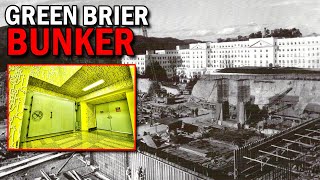
Secret Bunkers - The GreenBrier Hotel Mystery
LifesBiggestQuestions · 22:42
The Rise and Fall of America's Greatest Tourist Town: Gettysburg, Pennsylvania
Grand Manors · 40:39

The Twisted Story of the Greenbrier: The Hotel Built on Top of the Apocalypse
The World Historian · 39:10
Why Nobody Wants to Visit the Playground of Ohio Anymore: Buckeye Lake
Grand Manors · 39:52
Inside a Top-Secret Nuclear War Bunker | Underground Marvels | Science Channel
Science Channel · 13:03
The Rise and Fall of America's Grandest Mountain Paradise: The White Mountains
Grand Manors · 34:59

The Dark Story of America’s Most Secret Hotel: The Greenbrier
Royal Ledger · 1:14:27
The Rise and Fall of the City That Invented Modern America: Springfield, Massachusetts
Grand Manors · 53:08

The Greenbrier: The Luxury Resort Hiding a Nuclear Bunker for Congress
Forgotten Estate · 1:00:29
How America's Millionaires Built a Paradise — Then Walked Away: The Berkshires
Grand Manors · 36:21
The Bunker At The Greenbrier
asmithproduction · 4:29